Recognizing the early cues
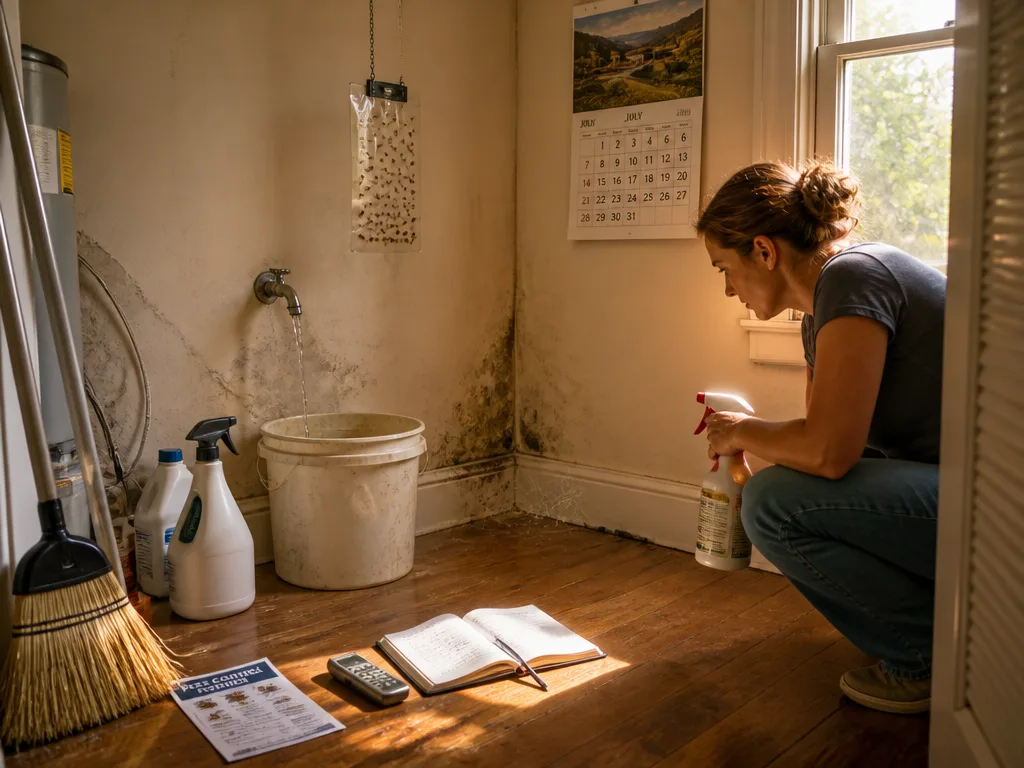
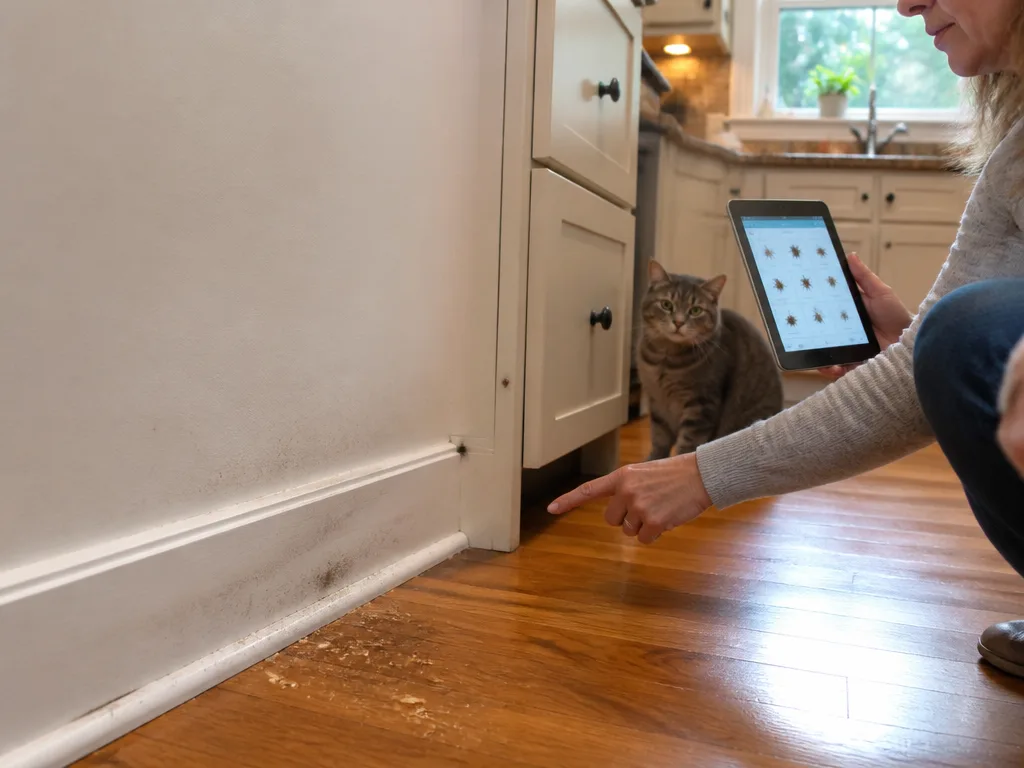
In Virginia homes, the first signs of a problem often show up in small, everyday places. Look for unusual droppings near baseboards, in cabinets, or along window sills. Small chew marks on cardboard boxes, insulation, or any stored goods can also be a clue. A musty smell behind walls or in unused rooms is another red flag that warrants a closer look by our pest control specialists.
Check for new tracks on sealed surfaces, subtle sediment along foundation lines, or tiny wings that drift from vents or closets. If you notice repeated tiny debris piles in hidden corners or behind appliances, that pattern can signal a growing issue across Virginia households. Trust your senses and don’t ignore repeated symptoms in different rooms.
Where to focus your attention
Your attention should start at entry points: gaps around doors and windows, utility penetrations in the attic, and crawl spaces. Pay attention to areas where moisture accumulates, since Virginia humidity can invite many pests. Our pest control specialists advise a quick sweep of these zones every season to catch problems early.
Look for changes in activity with the seasons. A spike in nighttime movement near baseboards, or a sudden increase in clutter that becomes a hiding place, are worth reporting. When you see any combination of droppings, damage patterns, or odd odors, it’s time to involve professionals who work across Virginia with a statewide perspective.
What to do next
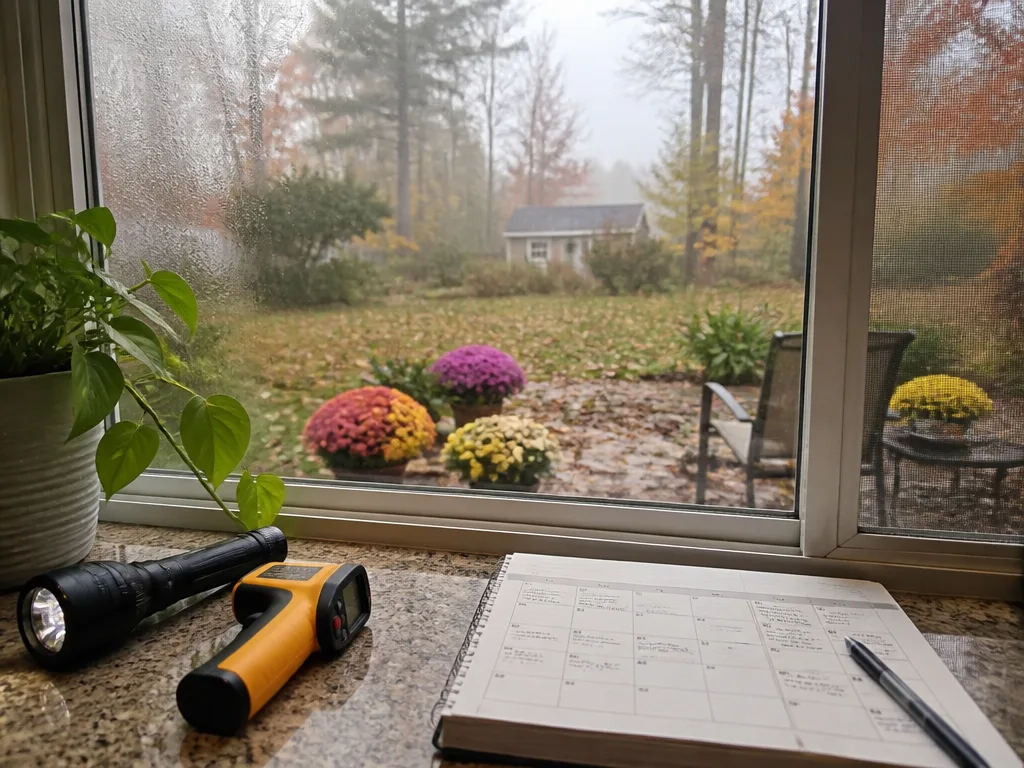
Document where you see signs and note the dates. A simple photo log helps our team understand the extent and location of activity. Call Virginia Spider Control for a no-pressure conversation; our team can assess whether a site visit is needed. We offer practical guidance aligned with Virginia-wide conditions and shared best practices for homeowners.
Early action saves problems later. If you’re in a complex area or a multi-unit dwelling, a coordinated approach by our pest control specialists can address issues at the source rather than chasing symptoms. Across Virginia, a steady plan beats waiting for the problem to grow.