Winter and early spring realities
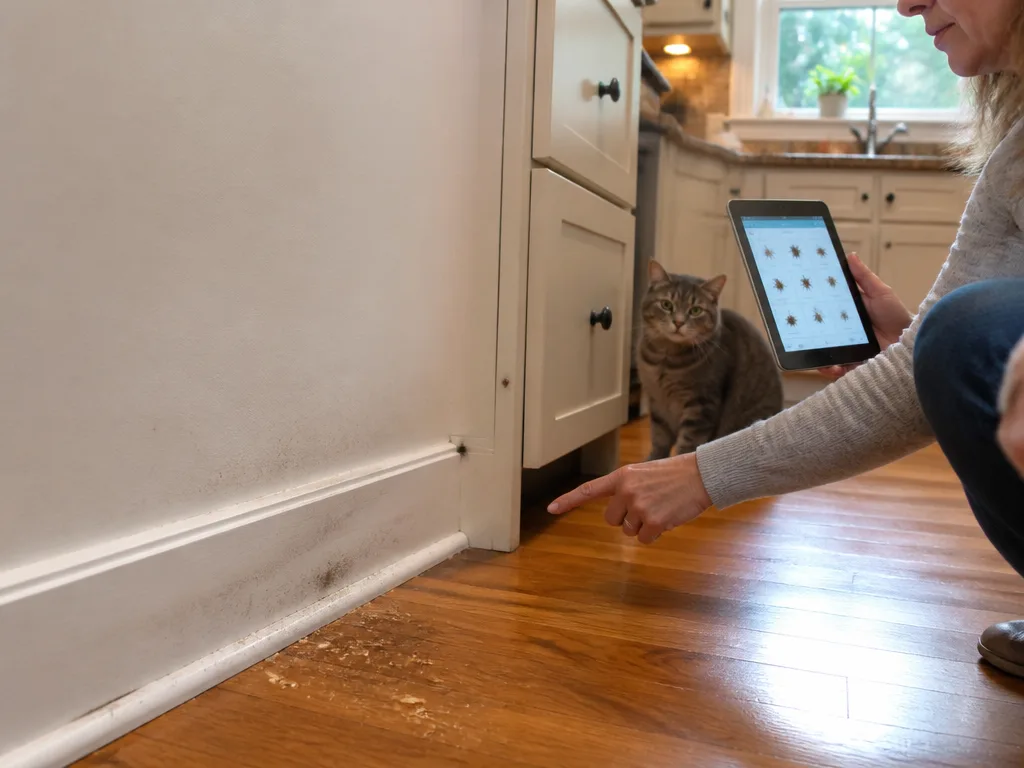
Cold months push pests to seek warmth and shelter inside homes. Check for gaps around doors, utility lines, and foundations. Keep firewood stored away from the house and off the ground, since it can harbor insects. Our pest control specialists recommend inspecting attic vents and sealing any obvious openings before Virginia’s spring thaw starts up.
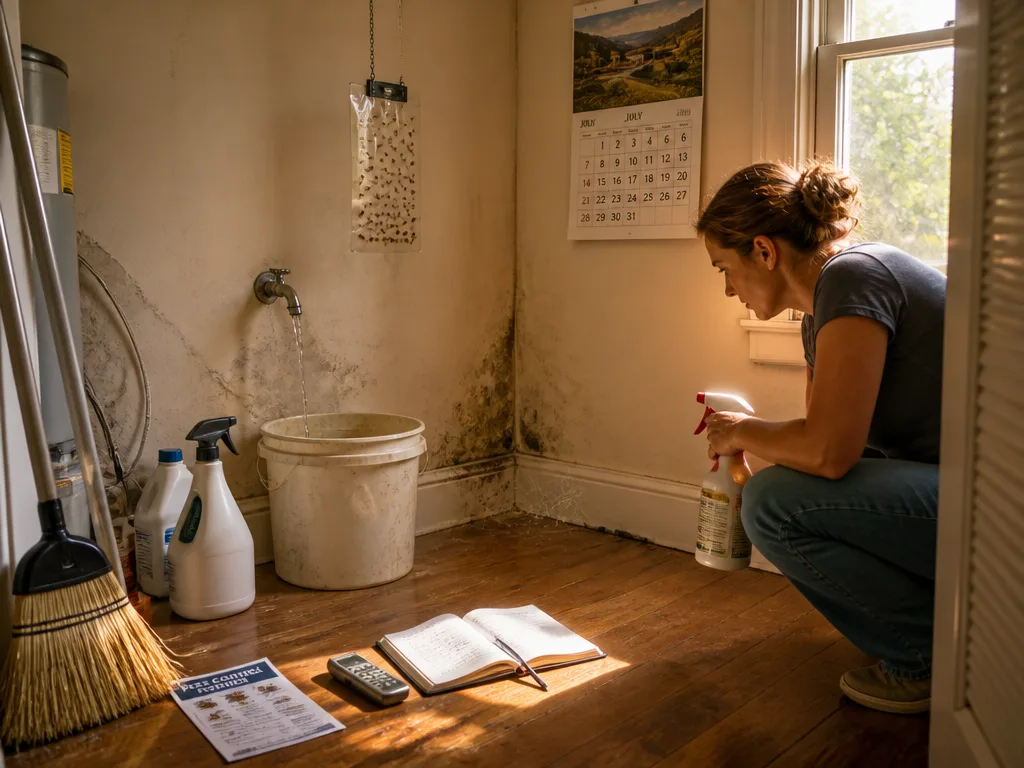
As temperatures rise, watch for damp basements or crawl spaces. Moisture invites many common Virginia pests. Use a dehumidifier where humidity stays high and ensure your gutters direct water away from the foundation. Simple moisture control goes a long way in keeping pests at bay across the state.
Summer readiness across Virginia
Summer brings insect activity that can become noticeable near entry points and around the exterior of the home. Keep trees trimmed away from the house, remove fallen fruit, and tidy up yard debris that can shelter pests. A well-ventilated attic and closed crawl spaces reduce opportunities for pests to move indoors.
Do a monthly exterior walk-around to spot new gaps, damaged screens, or raised mulch near the foundation. Mulch should be kept a few inches away from siding; damp mulch can breed pests. If you see repeated activity near a specific area, it’s a sign to bring in a pest control specialist for an evaluation that covers Virginia-wide conditions.
Fall tasks that prep for winter
As the weather cools, seal doors and windows again and check for gaps around pipes and electrical entries. Clean and store outdoor furniture and garden gear so there aren’t concealed spots for pests to hide. Our statewide crews can help assess risk areas and suggest a practical maintenance plan that protects your home year round.
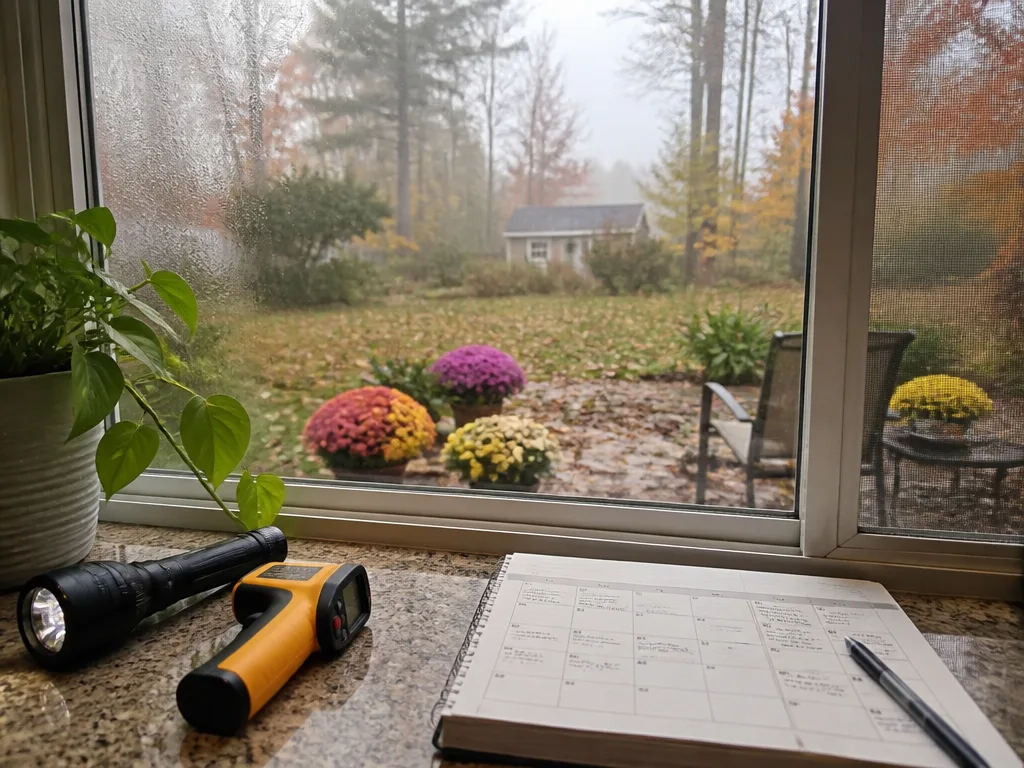
Virginia homeowners should keep a simple calendar for seasonal checks. A little proactive work now reduces the chance of surprise issues later. The goal is steady, predictable upkeep with clear, plain-English steps you can follow with confidence.